Mini Skid Steer Rental Rates and Attachments Guide
A practical guide to mini skid steer rentals. See which attachments to pair, when a walk behind makes sense, and when to move up to a ride on loader.
If you are looking at a mini skid steer rental for tight jobsites, landscaping, or light utility trenching, this guide covers which attachments to prioritize, how to decide between a walk‑behind/stand‑on mini skid loader and a ride‑on skid steer, and what drives rental rates. We also include a comparison of larger ride‑on loaders in case your task outgrows a true mini.
Mini skid steer or ride on skid steer
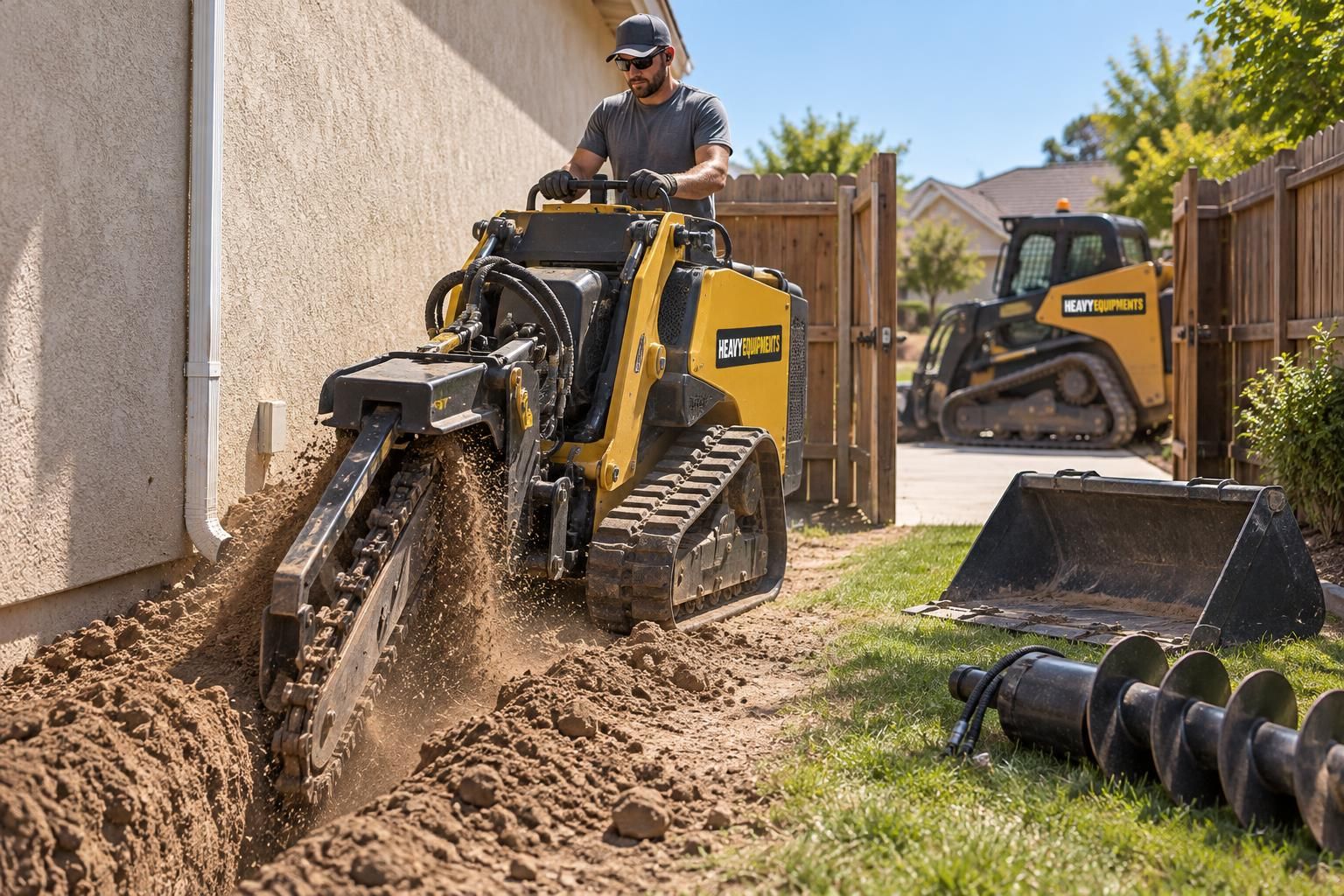
Contractors often say “mini skid steer” to mean a compact walk‑behind or stand‑on machine designed for narrow access, light material handling, and surface‑sensitive work. These minis excel at mulch, soil, and aggregate moves in tight areas, drilling post holes, trenching for irrigation, or stump grinding where a full‑size loader won’t fit.
By contrast, ride‑on skid steers carry more horsepower, operating weight, and rated operating capacity (ROC). If a crew asks for a bobcat mini skid steer or a kubota mini skid steer but needs to unload heavier pallets, stack to truck height, or power larger hydraulic tools, they may be better served by a compact ride‑on loader instead of a true mini. The sections below will help you match the machine to the job.
Best mini skid steer rental attachments
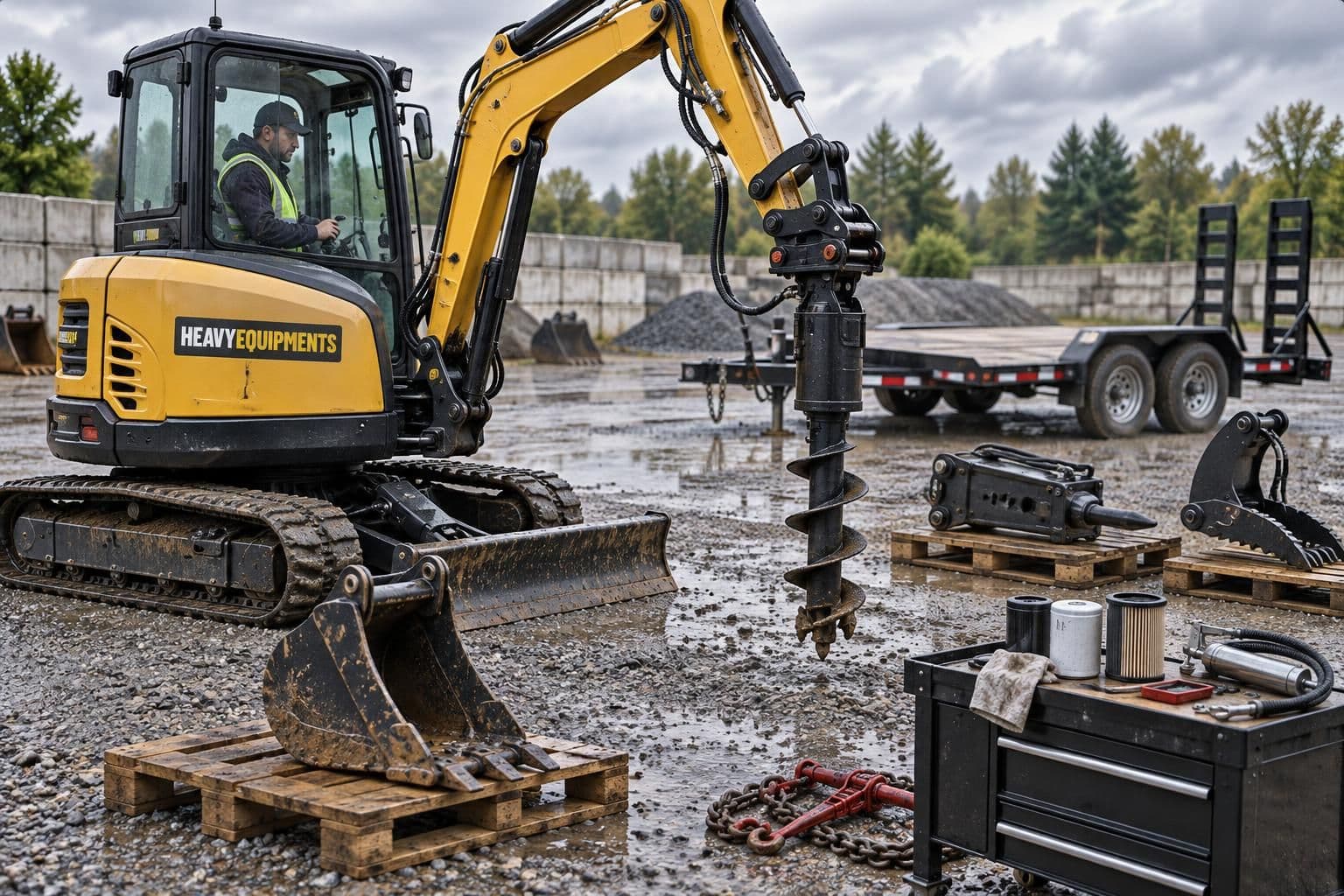
Attachments make or break a mini skid loader rental. Prioritize tools that match your task and the machine’s hydraulic capability and lift chart. Common picks include:
- General-purpose or 4‑in‑1 bucket: For bulk moves and light grading.
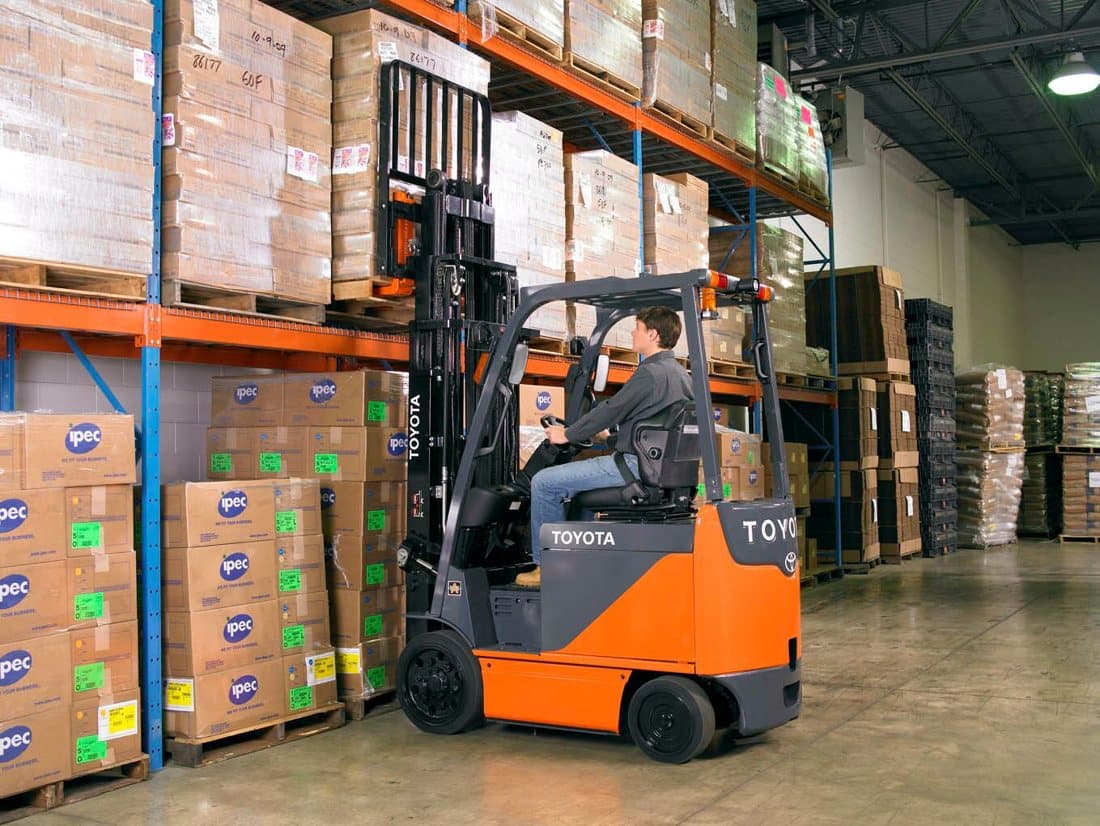
- Pallet forks (light duty): For small pallets and jobsite logistics. Verify the load against the machine’s ROC.
- Auger: Fence, deck, and sign posts. Pick bit size and drive that fit your soil and hydraulic flow.
- Trencher: Ideal for irrigation and utilities in tight runs where a mini shines.
- Brush cutter or mower: For clearing; confirm the flow requirement before committing.
- Soil conditioner/power rake: Finish work on lawns and seedbeds.
- Breaker and stump grinder: Effective, but flow‑hungry. Double‑check compatibility.
Hydraulic demand varies widely by machine and attachment. For example, the John Deere 125 lists pump capacity at 56.8 LPM (15.0 GPM). Many minis run lower flows than high‑flow ride‑on loaders, so confirm the attachment’s required flow and pressure with the rental desk. Also verify the quick‑attach interface your mini uses; not all compact units share the same coupler as larger skid steers.
When walk behind or stand on minis fit
Choose a true mini skid steer rental when:
- Access is the constraint: backyard gates, narrow side yards, or interior corridors.
- Surface protection matters: finished turf, pavers, or delicate landscaping.
- Task cycles are short and tool changes are frequent: trench, set posts, move spoils, and backfill in tight quarters.
- Hauling simplicity is key: smaller machines and a few attachments are easier to trailer and stage.
In many rental yards, asking for a “bobcat mini skid steer” gets you a walk‑behind/stand‑on unit with a compact footprint and a focus on attachments like augers and trenchers. Likewise, a “kubota mini skid steer” request usually points to a compact, maneuverable tool carrier rather than a ride‑on loader.
When to move up to ride on skid steers
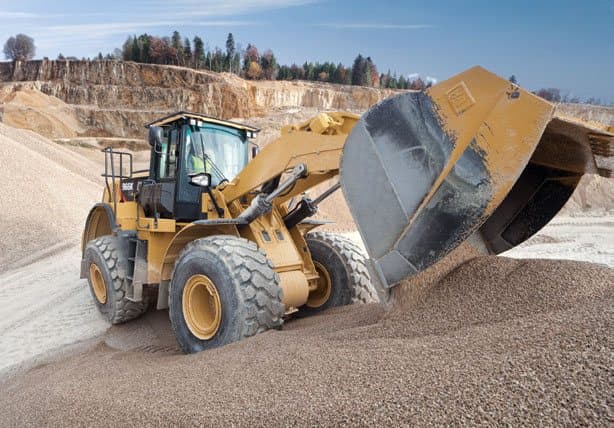
If you need to lift heavier palletized loads, load trucks, or run bigger hydraulic tools, consider stepping up to a ride‑on skid steer. Vertical‑lift machines tend to be the pick for palletizing and truck loading thanks to their lift path at height, while radial‑lift machines can be strong diggers and cost‑effective for ground work. Below is a snapshot of popular ride‑on models you’ll see in rental fleets. These are not mini skid steers, but they’re the next logical step up when a mini isn’t enough.
| Model | Lift design | Horsepower | Operating weight | ROC (50% tipping) | Tipping load |
|---|---|---|---|---|---|
| Bobcat S595 | Vertical | 55.2 kW (74.0 HP) | 3081.3 kg (6793 lbs) | 997.9 kg (2200 lbs) | 1995.8 kg (4400 lbs) |
| Bobcat S650 | Vertical | 55.4 kW (74.3 HP) | 3777.1 kg (8327 lbs) | 1220.2 kg (2690 lbs) | 2440.3 kg (5380 lbs) |
| Kubota SSV65 | Vertical | 47.7 kW (64.0 HP) | 3197.8 kg (7050 lbs) | 884.5 kg (1950 lbs) | 1769.0 kg (3900 lbs) |
| Kubota SSV75 | Vertical | 55.4 kW (74.3 HP) | 3819.8 kg (8421 lbs) | 1220.2 kg (2690 lbs) | 2440.0 kg (5379 lbs) |
| John Deere 332G | Vertical | 74.6 kW (100.0 HP) | 4540 kg (10000 lbs) | 1701 kg (3750 lbs) | 3269 kg (7200 lbs) |
| Case SR210 | Radial | 55.2 kW (74.0 HP) | 3161.5 kg (6970 lbs) | 952.5 kg (2100 lbs) | 1905.1 kg (4200 lbs) |
How to read the rental table
- Lift and load: ROC (50% tipping) is your quick screen for what the machine can safely handle. For example, a John Deere 332G at 1701 kg (3750 lbs) far exceeds a Bobcat S595 at 997.9 kg (2200 lbs). If your pallets or attachments push the lighter machine’s limits, step up.
- Vertical vs radial: Vertical‑lift machines like the Kubota SSV75 or Bobcat S650 hold their load closer to level at height, handy for loading trucks. Radial‑lift machines like the Case SR210 can be a solid pick for ground work and general duties.
- Transport planning: Operating weight matters for trailering, permits, and site access. Compare the table to your trailer’s capability and local regulations.
Mini skid steer rental rates and cost drivers
Rental prices vary by market and season, but you can keep them in check by managing the factors below:
- Duration: Day, week, and four‑week terms price differently. If your schedule is flexible, longer blocks can reduce the effective daily cost.
- Attachments: Augers, trenchers, brush cutters, and breakers usually price separately. Bundle what you’ll truly use; return extras early.
- Delivery and pickup: Hauling adds up. If you can self‑haul a mini with your existing trailer (and you’re within weight limits), you may save.
- Damage waiver and cleaning: Understand what’s covered. Protect sensitive surfaces to avoid cleanup charges.
- Fuel or charging: Return with tanks full if your agreement requires it.
- Off‑season timing: Landscaping attachments may be less in demand outside peak months.
If you are booking a compact walk‑behind or stepping up to a ride‑on like the Kubota SSV65, provide your job details (material, lift needs, attachment list) so the counter can quote a package that fits without overspecifying.
Quick rental checklist to avoid delays
- Machine fit: Walk the path from trailer drop to work area. Confirm turning room, slopes, and surface protection needs.
- Lift need: Match your heaviest expected load to machine ROC with margin. Use the table above for ride‑on options.
- Attachment match: Verify coupler compatibility and hydraulic flow/pressure requirements for each tool.
- Transport: Check combined weight of machine plus attachments against your trailer and tow vehicle ratings; plan tie‑downs and ramps.
- Site utilities: For trenching or digging attachments, call in locates before you arrive.
What to do next
To line up a mini skid steer rental, start by listing your attachments and lift needs. If a walk‑behind/stand‑on mini fits, book the machine and tools together. If you expect heavier loads or higher production, compare ride‑on options like the Bobcat S595, Kubota SSV75, or John Deere 332G and match their ROC to your task.
Use our database to dig into specs at /specs/ and put models head‑to‑head at /specs/compare/. When you’re ready to source machines and attachments, browse current options at /rentals/ and /attachments/. If you’re leaning toward ownership instead of recurring rentals, check availability at /for-sale/ and keep jobs moving with support from /parts/.