Cat 305 Attachments and Hydraulics, Transport and Maintenance
Comparing the 305 CR, 305C CR, and 305D CR specs with guidance on attachments, hydraulics, transport planning, and PM costs for the Cat 305.
Why contractors like the Cat 305 class
If you’re considering a Cat mini excavator in the roughly 5 ton class, the Cat 305 family sits in a sweet spot, compact enough for tight sites yet capable of serious trenching, footings, and service work. This guide looks at real world considerations (attachments, auxiliary hydraulics, transport weight, and maintenance) using verified specs from three related variants: the Caterpillar 305 CR, Caterpillar 305C CR, and Caterpillar 305D CR.
Cat 305 specs at a glance
The table below compares operating weight, power, and digging geometry that matter on site. Note: the “max reach” values come from each model’s provided figure; on some machines it’s “max digging reach,” and on others it’s “max reach along ground,” so treat them as directional rather than apples‑to‑apples.
| Model | Operating weight | Power | Max digging depth | Max reach (as provided) |
|---|---|---|---|---|
| Caterpillar 305 CR | 4,990 kg (11,001 lbs) | 31 kW (42 HP) | 335 cm (132 in.) | 335.3 cm (132.0 in.) |
| Caterpillar 305C CR | 5,318 kg (11,725 lbs) | 35 kW (47 HP) | 351 cm (138 in.) | 566.9 cm (223.2 in.) |
| Caterpillar 305D CR | 4,995 kg (11,012 lbs) | 31 kW (42 HP) | 366 cm (144 in.) | 579.1 cm (228.0 in.) |
Within the Cat 305 family, you’ll see operating weights around 5 metric tons and power figures from 31 to 35 kW (42 to 47 HP). Digging depth increases from 335 cm on the 305 CR to 366 cm on the 305D CR. The 305C CR and 305D CR list longer reach along the ground compared to the 305 CR’s stated digging reach. For planning, the 305C CR also provides helpful dimensions: overall length 533.4 cm (210.0 in.) and ground clearance 36.6 cm (14.4 in.). The 305D CR lists an overall width of 198.1 cm (78.0 in.).
Attachments that make a Cat 305 earn
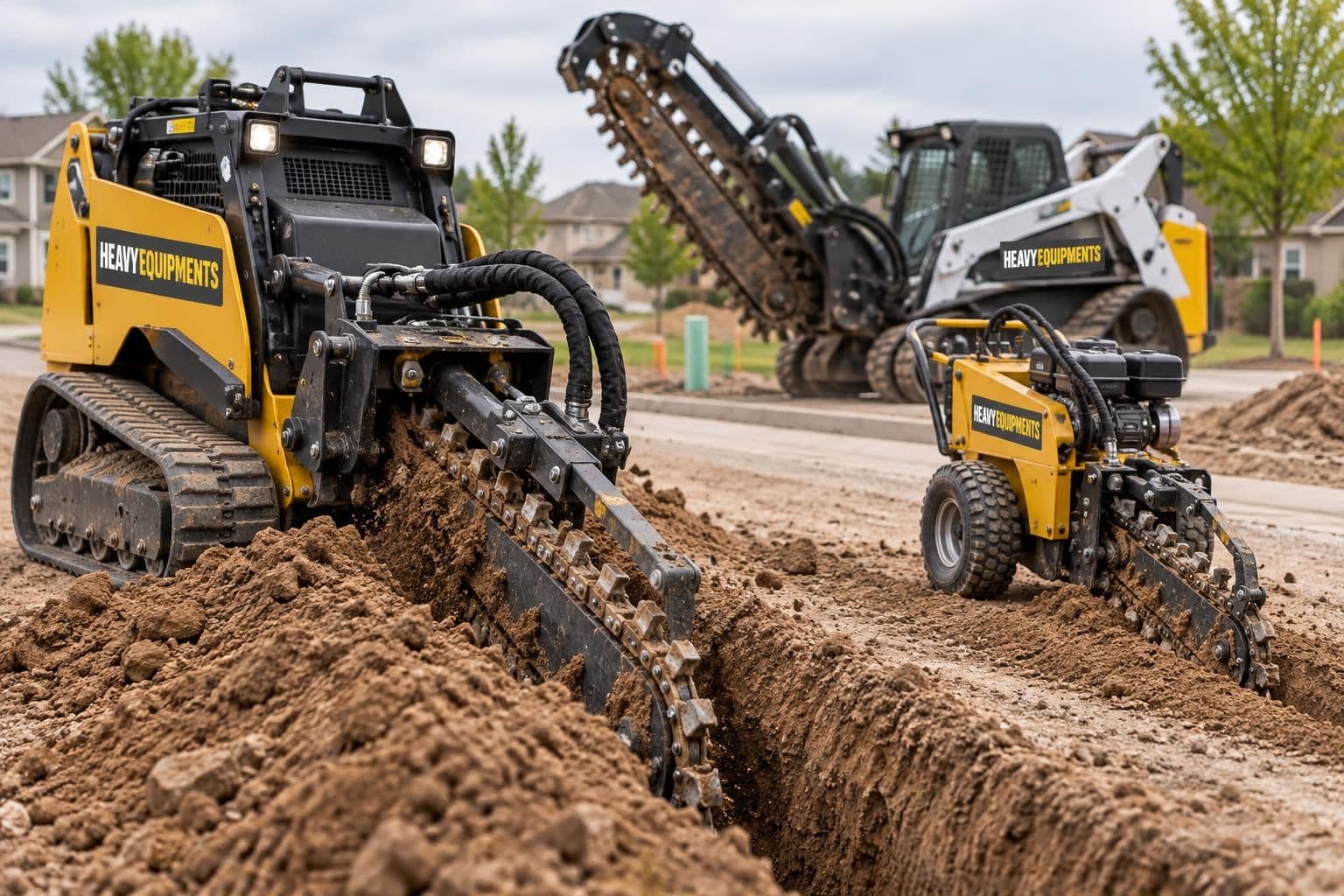
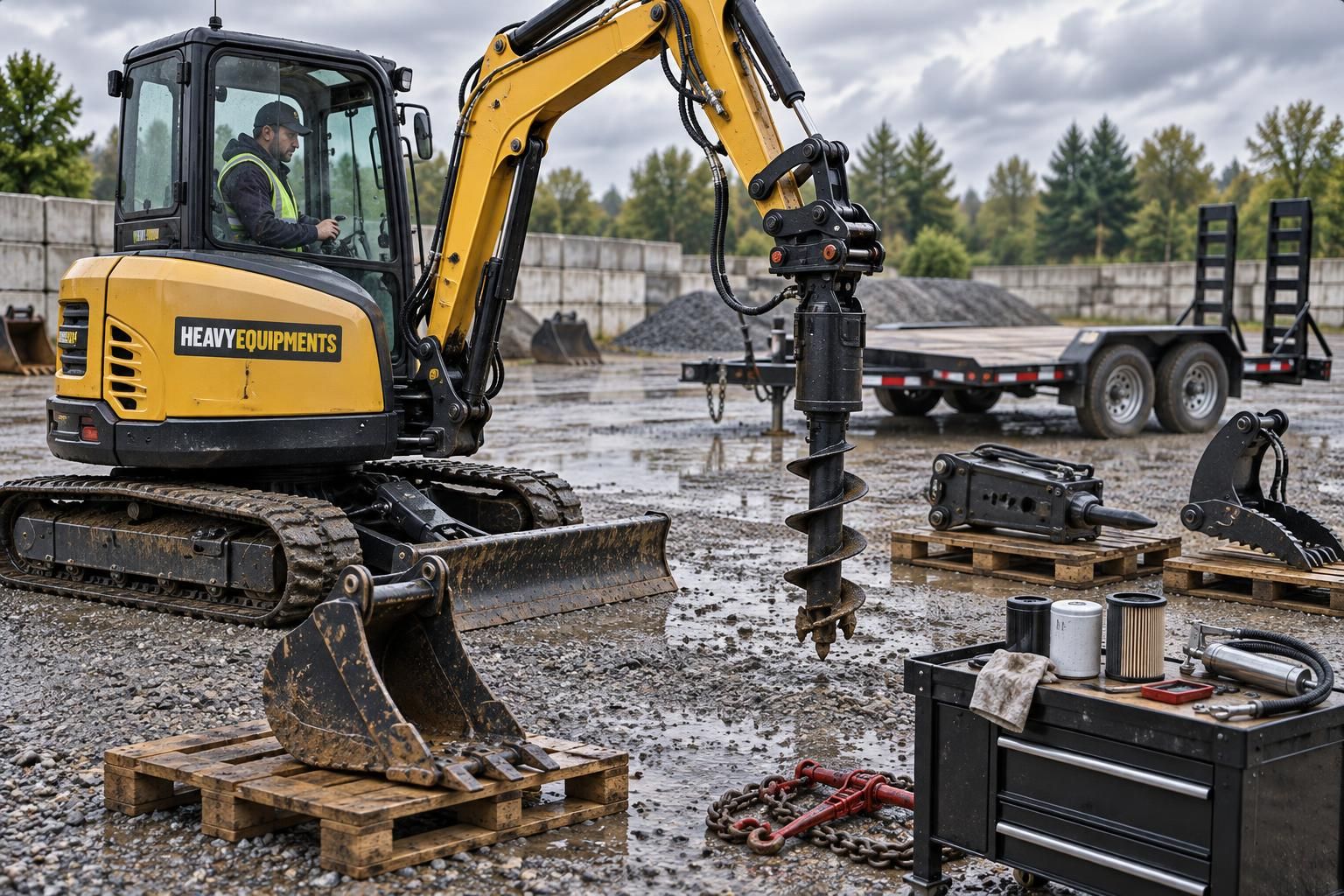
Mini excavator attachments can transform a 305 from a trenching machine into a multi trade tool. Common choices include:
- Buckets (ditch cleanup, trenching, and narrow rock buckets). The 305 size class is a good match for residential and light civil trench widths and general cleanup.
- Thumbs (mechanical or hydraulic) for debris handling, demo sorting, and setting rock. Check that the stick has the mounting provisions you need.
- Hydraulic breakers for concrete and rock. Proper auxiliary plumbing and return to tank routing are critical for breaker longevity and heat control.
- Augers for fence, sign, and footing holes. Match bit type to soils; the 305’s power range supports small to medium augers common in light civil and utilities.
- Plate compactors for backfill work in narrow trenches where rollers can’t reach.
- Brush cutters/mulchers sized for compact excavators, typically for right of way and site prep. Confirm hydraulic requirements and case drain needs.
- Tilt couplers or tiltrotators to speed fine grading and complex shaping. Ensure coupler, pin size, and geometry are correct for your specific 305 variant.
Before buying any mini excavator attachments, confirm:
- Confirm coupler and pin compatibility. Verify pin diameter, pin to pin spacing, and ear width for your machine and coupler. If you are pin on today but plan to switch to a coupler later, consider future compatibility now.
- Match auxiliary hydraulics to the tool. Some tools need one way (hammer) flow, others need two way (bidirectional) flow, and some require a case drain. Match tool requirements to your plumbing.
- Watch weight and balance. Keep attachment weight in proportion to the 5 ton operating weight range to avoid stability or transport issues.
Hydraulics in real work matching tools
Auxiliary hydraulic flow and pressure determine how well a breaker, auger, or mower will run. Exact hydraulic ratings can vary by model configuration and serial number. If you don’t have a data plate or manual handy, here’s how to move forward without guessing figures:
- Verify your circuits and identify one way and two way auxiliary circuits, and note whether a dedicated return to tank is present.
- Inspect controls and confirm proportional capability if you plan to run tools requiring fine modulation (e.g., tiltrotator).
- Check relief settings and component condition. Aging hoses, couplers, and valves can starve tools even if the base machine is in spec. A hydraulic technician can confirm performance under load.
- Test a demo tool on your machine when possible. Heat buildup, slow cycling, or frequent stalls indicate a mismatch or maintenance issue.
While the 305 family sits in a power band of 31 to 35 kW (42 to 47 HP), attachment performance hinges on auxiliary hydraulics and control setup more than engine rating alone.
Transport and access planning
Transport capacity and site access are practical gatekeepers on any job:
- Expect operating weight of about 4,990 to 5,318 kg (11,001 to 11,725 lbs) depending on whether you are looking at a 305 CR, 305C CR, or 305D CR. Add the weight of buckets, thumbs, or other attachments when planning a trailer and tow vehicle. Securement gear and fuel also count toward total load.
- The 305D CR lists an overall width of 198.1 cm (78.0 in.). Verify your exact machine’s width against gates, sidewalks, and lane closures on urban sites.
- The 305C CR shows an overall length of 533.4 cm (210.0 in.) and ground clearance of 36.6 cm (14.4 in.). Those figures help when planning tight turns on trailers and navigating curbs or uneven access roads.
- The 305C CR provides a max loading height of 381.0 cm (150.0 in.), useful when planning to load spoil into trucks or bins with sideboards.
For quick cross‑checks while you shop, use our spec comparison tool to keep weights and dimensions straight between listings.
Digging geometry and what numbers mean on site
Digging depth on the 305 family runs from 335 cm (132 in.) on the 305 CR up to 366 cm (144 in.) on the 305D CR. For trenching, that spread can determine whether you meet depth in a single pass with some bedding or need to bench and clean up with a ditching bucket. The 305C CR and 305D CR list longer reach along the ground (566.9 to 579.1 cm), which can help when trenching parallel to obstructions or picking from one side of a trench.
Keep in mind that “max reach” definitions vary. If your work requires a precise radius (e.g., reaching over a wall to stockpile), verify whether a listing cites max digging reach or reach along ground, then confirm against the specific boom, stick, and bucket setup.
Maintenance and owning cost drivers (without guessing numbers)
You won’t find one universal maintenance cost for a Cat excavator because costs swing with hours, materials, climate, and tooling. Instead of chasing a single figure, build your plan around the components that move the needle on a 5 ton mini:
- Undercarriage needs attention. Track tension, rollers, idlers, and sprockets take a beating in abrasive soils and on curbs. Keeping tension within spec greatly influences wear life.
- Grease pins and bushings often, especially with breakers or thumbs that load the linkage off axis.
- Keep the hydraulic system clean. Oil and filters, intact hoses, and coolers free of debris keep temperatures down and tools productive.
- Maintain cooling and electrical systems. Radiators and coolers need regular cleaning in brush or mulch duty. Battery health and harness connectors matter on machines with auxiliary controls.
- Budget for attachment upkeep. Breakers and mulchers bring their own service needs, so include tool side wear components alongside the carrier’s PM.
Practical steps to estimate your maintenance budget without quoting a single price:
- Map your annual hours and duty cycles (trenching vs. breaker vs. cleanup).
- List the consumables: engine oil, filters, grease, hydraulic oil/filters, fuel filters, and wear parts on the undercarriage and front linkage.
- Layer in attachment maintenance kits and wear items.
- Account for periodic inspections, swing bearing play, travel motor performance, track frame condition.
When you’re ready to source parts and consumables, browse parts matched to your exact 305 variant and serial range.
What to check on a used Cat 305
If you are eyeing a 305 CR, 305C CR, or 305D CR, a consistent inspection routine helps avoid surprises:
- Check auxiliary hydraulics. Verify lines, couplers, and any return to tank plumbing. Test attachment operation if possible.
- Inspect the boom and stick. Look for welds or plating, pin and bushing play, and cylinder rod condition.
- Review the undercarriage for uneven wear, oil leaks at rollers, and proper track tension.
- Listen to the swing system under load and check for excessive house movement on the slew ring.
- Inspect the cooling package. Check cores for debris and confirm fans and shrouds are intact.
- Confirm cab and controls. Verify pattern, auxiliary controls, and safety interlocks function properly.
Use our for‑sale and rentals pages to see what’s available now, then pull up the machine’s details in Specs for a quick double‑check.
Next steps for your Cat 305
If the Cat 305 class looks right for your work, compare the 305 CR, 305C CR, and 305D CR side by side in our specs comparison tool, then browse current machines for sale or short term rental options to match your project timeline. Planning to expand capability? Explore compatible attachments and source wear items through parts to keep your machine productive from day one.