Backhoe or Excavator for Utility Trenching and Street Cuts
Choose a backhoe loader or an excavator by depth, access, mobility, and attachments. Compare real specs from minis to large excavators.
Match the machine to trench and jobsite
Selecting a backhoe loader or an excavator for trenching, street cuts, and site utilities depends on digging depth, working room, how often you need to road the machine, and which attachments will actually speed up your crew. Below, we outline when each category makes sense and ground it with real specs (from compact minis to large excavators) so you can choose confidently, whether you are eyeing a backhoe for sale or planning an excavator rental.
When a backhoe loader fits best
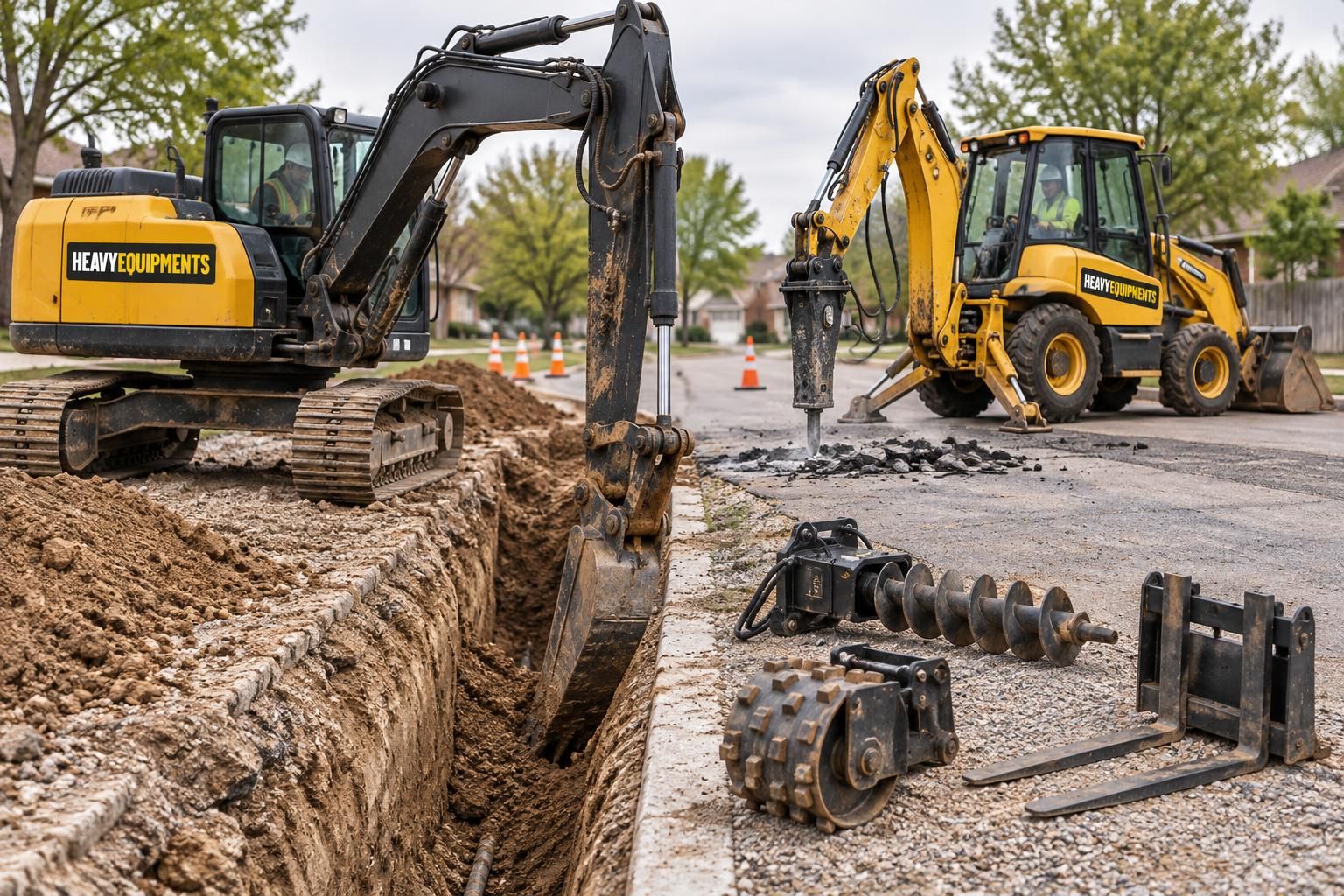
For street cuts, short sidewalk or driveway crossings, and service laterals where you will work multiple small patches in a day, the backhoe loader’s mobility and versatility are hard to beat. A single machine can cut, dig, set bedding, backfill with the front bucket, and road to the next address without a trailer move.
The JCB 3CX is a good reference point: operating weight 8,000 kg, engine power 68 kW, and a maximum digging depth of 5,460 mm. That depth covers many residential utilities and shallow municipal repair work, and its wheeled (4x4) undercarriage supports frequent repositioning on pavement. If most of your utility work is shallow and stop and go across a neighborhood, a backhoe often minimizes moves and crew complexity. For short-term needs or seasonal peaks, consider backhoe rental.
Mini excavators for tight easements and residential utilities
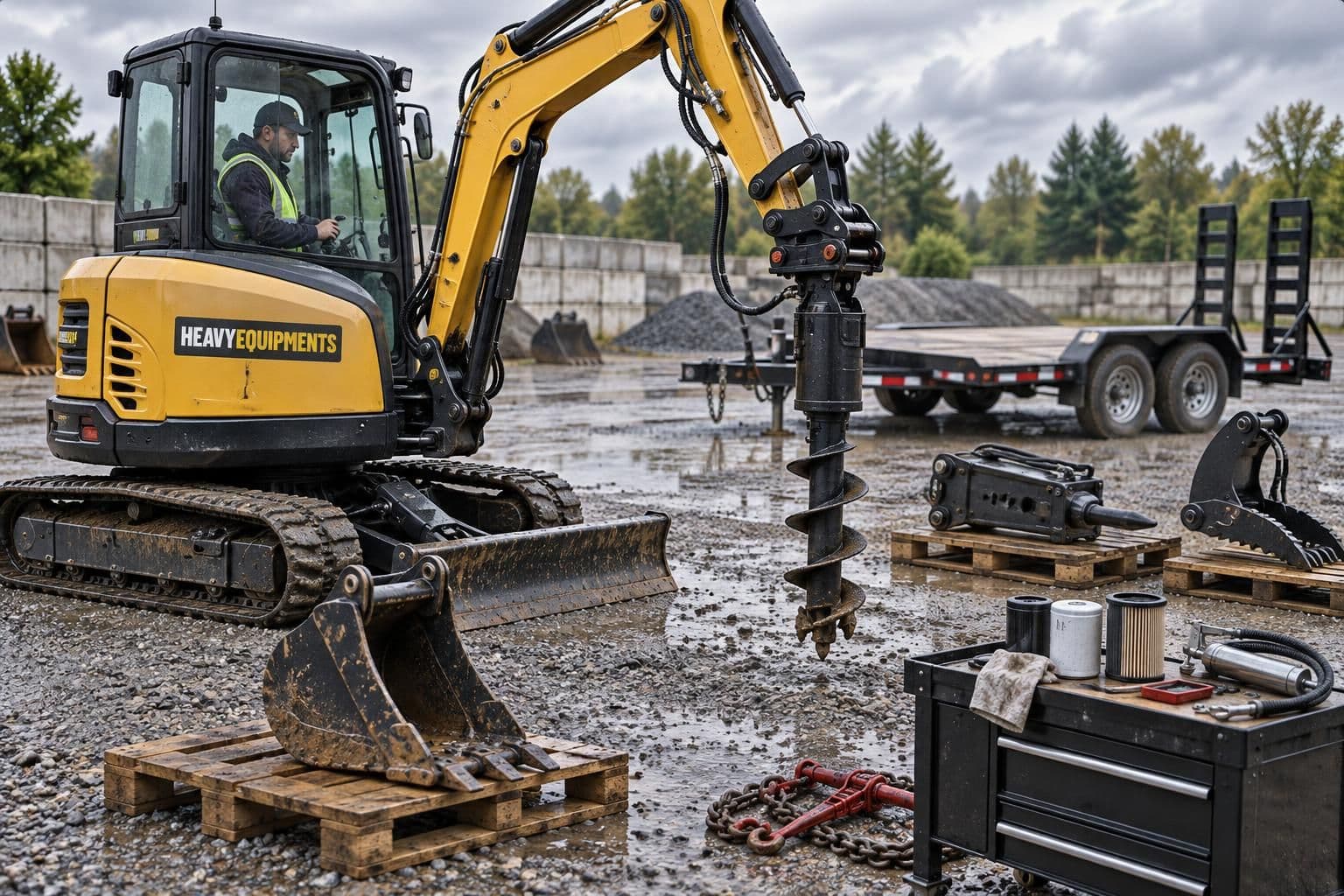
When access is limited, such as rear-yard easements, narrow side yards, or congested streets, a mini excavator’s compact tail swing and low ground disturbance are the advantages. Minis pair well with a dedicated compact track loader or dump truck for material handling.
- JCB 51R-1 is an excavator type mini excavator, weight 5112 kg (11270 lbs), horsepower 10 kW (14 HP), max digging depth 347.5 cm (136.8 in.), tail swing radius 103.6 cm (40.8 in.).
- JCB 8035 ZTS is an excavator type mini excavator, weight 3651 kg (8049 lbs), horsepower 22 kW (30 HP), max digging depth 320.0 cm (126.0 in.), tail swing radius 85.3 cm (33.6 in.).
- Kubota U35 is an excavator type mini excavator, weight 3735 kg (8234 lbs), horsepower 21 kW (28 HP), max digging depth 317 cm (125 in.).
These depths cover common water, sewer, and conduit runs on residential projects. If your trench layouts snake through fences and landscaping, a zero or short tail-swing mini reduces the chance of striking obstacles while still handling 3 m plus dig depths. For infrequent use or small punch-list work, an excavator rental in the 3 to 5 t class keeps costs predictable.
Crawler excavators for main runs, manholes, and steady production
For deeper mainline utilities, stable trench walls, or heavier structures, a crawler excavator brings digging depth, reach, and lifting ability. A balanced mid-size crawler is a solid daily driver on subdivision installs and municipal jobs where you will sit and dig all day.
The Caterpillar 320D2 offers an operating weight of 21,900 kg, engine power of 108 kW, a bucket capacity range of 0.9 to 1.2 m³, and a maximum digging depth of 6,720 mm. That combination suits long pulls, deeper laterals, and placing structures, with a tracked undercarriage for trench-edge stability.
Big iron for deep utilities and production trenching
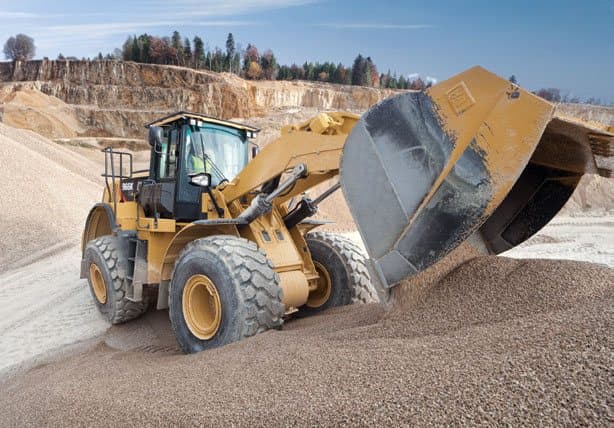
Large excavators step in when trenches are deep, soils are tough, or production targets are tight on linear footage. They offer long digging depth and reach, tall loading heights for trucks, and the structure to swing heavy pipe or shoring.
- JCB JS460LC is an excavator type large excavator, weight 45560 kg (100442 lbs), horsepower 227 kW (305 HP), max digging depth 899 cm (354 in.), max reach along ground 1292.4 cm (508.8 in.).
- John Deere 450C LC is an excavator type large excavator, weight 46520 kg (102560 lbs), horsepower 236 kW (316 HP), max digging depth 728 cm (287 in.).
- New Holland EC600 is an excavator type large excavator, weight 63303 kg (139560 lbs), horsepower 284 kW (381 HP), max digging depth 823 cm (324 in.), max reach along ground 1280.2 cm (504.0 in.).
If your trench profile or manhole depths demand 7 to 9 m capabilities, this class keeps you within a comfortable working range while maintaining bench stability and truck loading efficiency.
Attachments and setup that speed up trench work
Whether you choose a backhoe loader or an excavator, productivity hinges on the right attachment kit and how your crew sequences work:
- Hydraulic breakers for asphalt and concrete street cuts, so the same carrier can open and trench without a second machine.
- Trenching buckets sized to your pipe and bedding spec, pair wider cleanup buckets for backfill and grading.
- Hydraulic thumbs for handling spoils, trench boxes, and pipe, especially useful on crawler excavators.
- Augers for pole bases or service risers on residential jobs where swapping between dig and drill saves a trip.
- Plate compactors for bedding and lifts, reducing labor at the trench edge.
Backhoes benefit from a multipurpose front bucket for backfill and material handling between addresses. Minis excel with quick couplers to change from a narrow trench bucket to a breaker without leaving the trench open longer than needed. Explore options on our attachments pages, and check compatibility details in each model’s specs.
Spec snapshots across machine types
Use this table as a starting point to frame your backhoe or excavator decision by the digging depth and machine class your work demands. All figures are taken from our verified specs.
| Model | Machine class | Operating weight | Engine power | Max digging depth |
|---|---|---|---|---|
| JCB 3CX | Backhoe loader | 8,000 kg | 68 kW | 5,460 mm |
| JCB 51R-1 | Mini excavator | 5112 kg (11270 lbs) | 10 kW (14 HP) | 347.5 cm (136.8 in.) |
| JCB 8035 ZTS | Mini excavator | 3651 kg (8049 lbs) | 22 kW (30 HP) | 320.0 cm (126.0 in.) |
| Kubota U35 | Mini excavator | 3735 kg (8234 lbs) | 21 kW (28 HP) | 317 cm (125 in.) |
| Caterpillar 320D2 | Crawler excavator | 21,900 kg | 108 kW | 6,720 mm |
| John Deere 450C LC | Large excavator | 46520 kg (102560 lbs) | 236 kW (316 HP) | 728 cm (287 in.) |
| JCB JS460LC | Large excavator | 45560 kg (100442 lbs) | 227 kW (305 HP) | 899 cm (354 in.) |
| New Holland EC600 | Large excavator | 63303 kg (139560 lbs) | 284 kW (381 HP) | 823 cm (324 in.) |
Reading the table: if your typical trench is near 3 to 3.5 m deep in tight backyards and alleys, a mini excavator in the 3 to 5 t class fits. If you regularly work beyond 5 to 6 m with structures to set, a crawler in the 20 to 25 t class or a large excavator will be more efficient. For roading between many small patches, the backhoe loader’s single-machine versatility is compelling.
Quick decision checks
- Match max digging depth to your deepest trench, not the average. The table above shows ranges from 317 cm (125 in.) on minis up to 899 cm (354 in.) on large excavators.
- Consider access and surface protection. Minis and backhoes reduce disturbance, large crawlers need more room but provide stability at depth.
- Think about mobility between sites. Backhoes can road between jobs, excavators generally require transport planning.
- Focus on attachments and cycle time. Breakers, trench buckets, thumbs, and compactors save crew hours. Ensure your carrier has the hydraulics you need.
- Weigh utilization and timing. For one-off or seasonal peaks, look at excavator rental or backhoe rental. For daily use, evaluate ownership and standardize on a size class.
Next steps to compare specs and line up iron
Dial in your choice with our tools:
- Browse detailed specs across brands and size classes on Specs.
- Stack models side by side on Compare to verify digging depths, weights, and power.
- Source machines on For Sale or line up short-term equipment on Rentals.
- Outfit your carrier for trench work with the right attachments and keep uptime high with parts.
Whether you land on a flexible backhoe loader or a purpose built excavator, matching depth and access plus the right attachments will keep your trench moving and your crew productive.