Wheel Loader Daily Inspections and Operating Tips
A practical daily checklist and operating tips to keep your wheel loader safe, productive, and in service. Covers buckets, tires, hydraulics, and site safety.
Daily discipline keeps a wheel loader safe, productive, and profitable. A 10 to 15 minute walk around and a few smart operating habits prevent unplanned downtime, reduce tire and cutting edge costs, and protect people and property. Whether you run a compact wheel loader on tight sites or a mid-size unit in a quarry, the same fundamentals apply.
Know your machine before you roll
Match your inspection focus to your loader’s size, duty cycle, and attachments. For example, a mid-size loader like the Caterpillar 950 GC runs a diesel engine rated at 168 kW with an operating weight of 18,500 kg and a 3.1 to 3.3 m³ bucket. That weight and bucket volume put serious loads into tires, pins, bushings, and cutting edges, areas you should scrutinize daily. The same logic scales down for a compact wheel loader used for pallet forks or snow work: smaller components, but similar wear points and safety checks.
Daily walk around checklist
- Ground conditions: Park on level ground; chock if needed.
- Leaks: Look under the machine for fresh drips. Trace any oil, coolant, or fuel quickly.
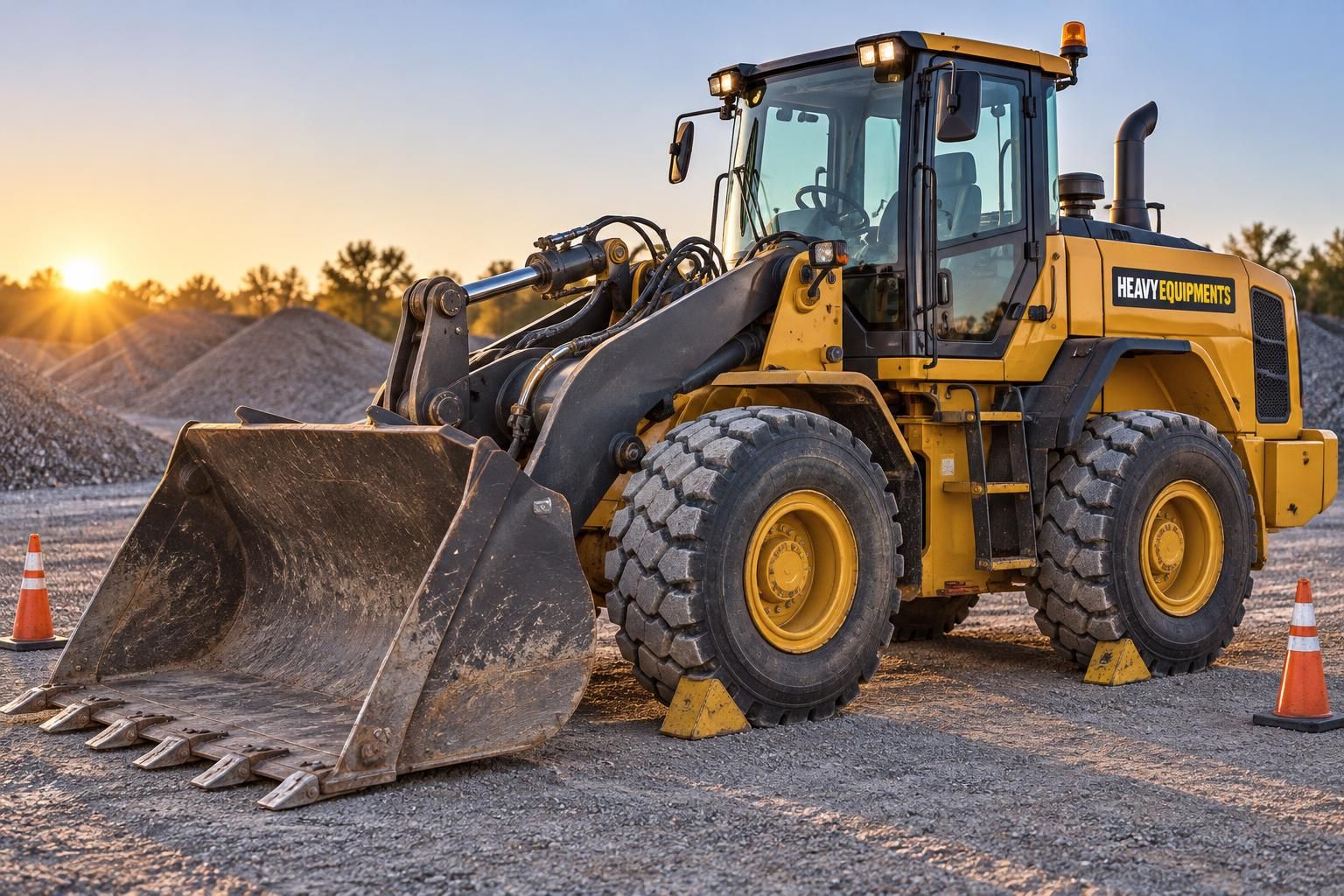
- Bucket and edges: Check cutting edges, segments, and corner guards for cracks, loose hardware, and excessive wear. Inspect teeth or adapters if fitted.
- Attachment coupler: Verify pins, latches, and indicators fully engage. Test lock/unlock and confirm positive retention.
- Linkage and articulation: Inspect pins, bushings, Z‑bar or parallel‑lift linkages for play; grease points as required.
- Hydraulics: Scan hoses for chafe, blisters, or weeping; inspect cylinders and rod wipers.
- Tires and rims: Check tread and sidewalls for cuts or bubbles; verify no loose or missing lug nuts; look for damage to valve stems.
- Steps, handrails, and cab: Clean mud and ice; ensure 3‑point contact surfaces are solid; seatbelt works and latches.
- Visibility aids: Clean mirrors, windshield, cameras; confirm wipers and washers work.
- Lights and alarms: Test work lights, turn signals, beacons, and backup alarm.
- Fluids: Check engine oil, coolant level, hydraulic oil sight glass, and washer fluid per the operator’s manual.
- Housekeeping: Remove debris from the engine bay, radiator screens, and around the articulation joint.
Bucket and cutting edge care
Buckets take the brunt of abrasion and impact. Look for scalloping on cutting edges, missing hardware, cracked welds, and worn adapters. Loose or missing edges escalate wear on the base edge and can distort the bucket shell, driving up repair costs. If you use a coupler, verify the locking mechanism is clean and fully engaged before hoisting material.
Operating tips to extend life:
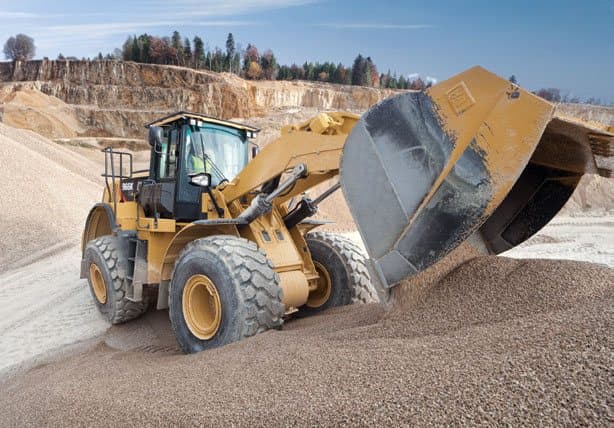
- Enter the pile straight and level; avoid ramming. Let traction and hydraulics do the work.
- Feather the tilt while crowding to achieve a smooth, heaped load without spinning tires.
- Back-drag sparingly; it accelerates edge wear.
- Use the right bucket for the material and density. Oversized buckets amplify stress on the linkage and tires.
Tire care for heat and wear
Tires are often the second-highest operating cost on a wheel loader. Daily tire care pays back fast:
- Inflation: Verify pressure against your manufacturer’s spec for the tire size and duty. Under-inflation overheats casings; over-inflation reduces footprint and traction.
- Damage: Remove lodged rocks; check sidewalls for cuts, bulges, and exposed cords; inspect rims and flanges.
- Lug nuts and hubs: Look for rust streaks or movement indicating looseness.
- Operating habits: Travel with the bucket low, avoid sharp turns under heavy load, and limit spinning, heat shortens tire life.
- Site setup: Maintain smooth haul roads, adequate drainage, and clean dumpsites to cut punctures and heat buildup.
On compact wheel loader fleets that see more roading and curb crossings, train operators to approach obstructions slowly and squarely, and to avoid riding the brakes downhill. Consistent routes and reduced empty carry height lower heat and wear across all machines.
Hydraulics leak free and responsive
Hydraulic systems power your lift and tilt. Small issues compound quickly. During your check:
- Hoses and lines: Look for chafe points at frame passes and around the articulation joint; ensure clamps and guards are intact.
- Cylinders: Inspect rod chrome for nicks; check wipers and seals for weeping.
- Connections: Wipe quick-couplers clean before connecting attachments to reduce contamination.
- Filters and breathers: Keep breathers clear; follow service intervals to maintain oil cleanliness.
Operating tips:
- Warm up hydraulics with a few gentle cycles before full production, especially in cold weather.
- Avoid holding functions against relief; it generates heat and consumes fuel.
- Use float when back-dragging and when appropriate to reduce cylinder side-loading.
Safety fundamentals every shift
- 3‑point contact in and out; wear your seatbelt.
- Walk the travel path before first pass; confirm no people, powerlines, or underground hazards at dumpsites.
- Keep the bucket low when traveling; raise only to clear obstacles.
- Avoid side slopes with a raised load; dump on level ground with a firm berm or stop block.
- Use a spotter and clear hand signals around trucks and bins.
- Set parking brake and lower the bucket to the ground before exiting; follow lockout/tagout for maintenance.
Operate efficiently to save fuel and wear
Small changes in technique reduce cycle time and component wear:
- Match the loader to the truck: Bucket capacity and truck body size should align to minimize partial passes and spillage. For example, the 3.1 to 3.3 m³ range on the 950 GC is a typical mid-size match for common on-road trucks.
- Choose the right pattern: V‑loading typically minimizes travel distance; adjust your pile and truck angle to reduce sharp turns.
- Stockpile setup: Keep faces tall enough for efficient “ramp and roll” but stable; remove contamination and maintain approach ramps.
- Keep carry height low and steady; accelerate smoothly to reduce driveline shock and tire slip.
- Use appropriate modes/settings if available for traction control, differential locks, or application presets.
Compact wheel loader nuances
Compact units often run forks, grapples, brooms, or snow attachments all day. That means more coupler cycles and more exposure to contamination:
- Inspect coupler pins and locking bars frequently; confirm attachment ratings exceed expected loads.
- Clean auxiliary couplers before every change; cap unused lines to keep dirt out.
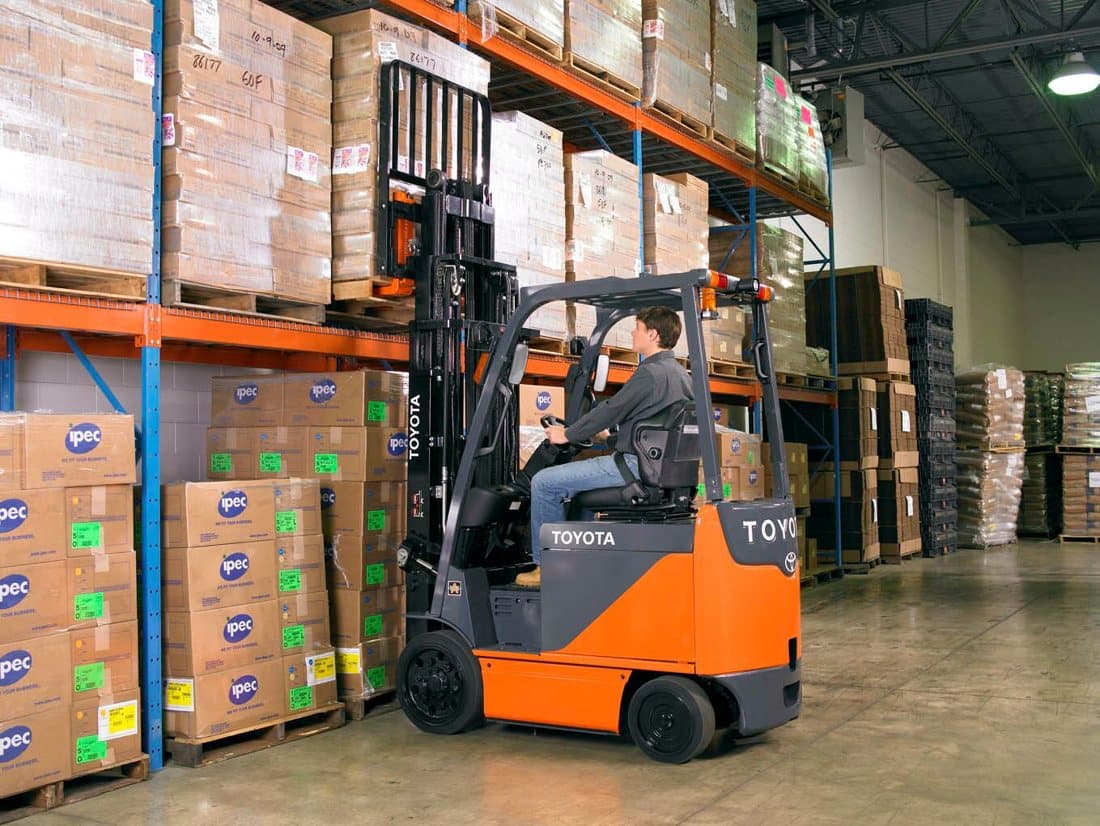
- Balance loads on forks; keep mast/attachment low and tilted back during travel.
- Mind transport: Use proper tie‑downs and protect hydraulic lines from chafe on trailers.
Whether you operate a Cat, Volvo, or another brand, consistent attachment hygiene and locking checks prevent most drop incidents.
When to repair or replace
- Cutting edges and teeth: Replace when wear approaches bolt heads or adaptors; delaying often damages the base edge.
- Pins and bushings: Address excessive play early; it compounds and can misalign linkages.
- Tires: Pull a tire for professional inspection if cords show, bulges appear, or heat damage is suspected.
- Hoses and seals: Any persistent weep at high‑pressure points warrants prompt service to prevent sudden failure.
Use specs and planning to your advantage
Knowing your loader’s capabilities guides safe daily choices and fleet planning. If you need to confirm operating weight, engine output, or bucket volume for a specific machine, like the 18,500 kg operating weight and 3.1 to 3.3 m³ bucket capacity on the 950 GC, check our equipment specs. You can line up multiple machines side by side with spec comparisons when you’re right‑sizing buckets or considering a change.
For upgrades or replacements, browse loader attachments and service parts. If you’re adding capacity for a season or a project, explore rentals. To buy, see current listings on equipment for sale.
Next steps for your loader
- Print or save this checklist for your pre‑shift routine.
- Review your model’s manual and confirm fluid and torque specs.
- Use our specs library and compare tool to validate capacity and truck match.
- Source edges, tires, and coupler parts from our attachments and parts pages.
Daily care and smart operation keep your wheel loader, and your entire construction equipment fleet, earning instead of idling.