Warehouse Forklift Buying Guide, Classes 1 to 5 and Batteries
Practical guide to choosing a warehouse forklift across classes 1 to 5 with aisle width planning and power selection. Includes a quick spec comparison of Toyota 8FBMT30 and Linde H25.
Choosing the right warehouse forklift starts with three foundational decisions: truck class (1 to 5), aisle layout, and power source. Get those right and you will avoid bottlenecks, premature tire and battery wear, and frustrating productivity dips. This guide breaks down the essentials and closes with a side-by-side look at two representative warehouse lifts to help you translate concepts into real specs.
Forklift classes 1 to 5 in warehouses
OSHA and industry standards group forklifts into classes. For most warehouses, the action lives in Classes 1 to 5.
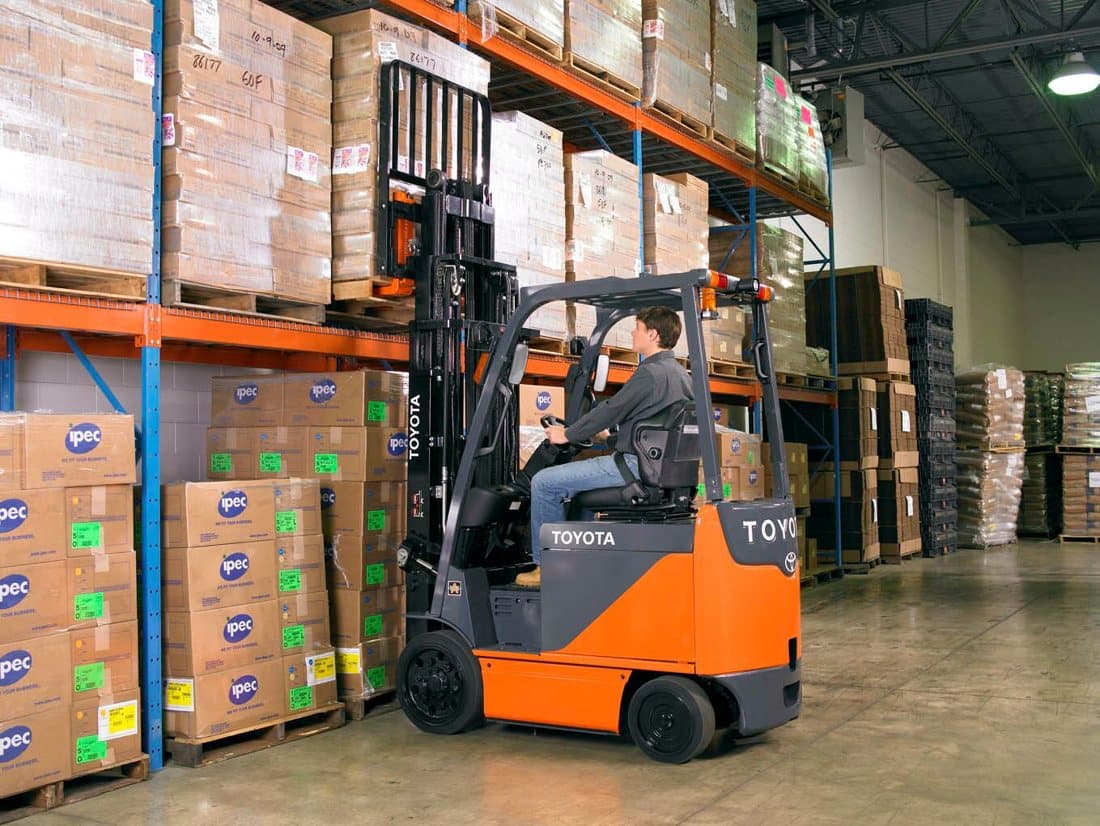
- Class 1 electric rider trucks are common as a sit down forklift for dock to rack work. They produce no tailpipe emissions and offer tight, predictable control, which suits indoor use. Many fleets choose an electric forklift here for lower on site emissions and fine maneuvering.
- Class 2 narrow aisle trucks are purpose built for high density storage. A reach forklift straddles pallets and extends its mast to place loads. An order picker forklift elevates the operator with the platform to pick cases. These shine when you design aisles around the truck.
- Class 3 walkies and pallet jacks cover short shuttles and staging lanes, plus truck loading when you do not need a rider truck.
- Class 4 internal combustion cushion tire trucks are typically used indoors on smooth floors and at docks where uptime and quick refueling matter.
- Class 5 internal combustion pneumatic tire trucks handle mixed indoor and outdoor duty and rougher surfaces. They also take on heavier handling. Diesel, LPG, or gasoline powertrains are common.
Within these classes, you choose between sit down and stand up forklift styles. Sit down riders suit longer travel and all day comfort. Stand up riders, common in docks and cross dock lanes, favor quick on and off and visibility when working close to trailers and racking.
Capacity and load center basics
Every warehouse forklift carries a stated capacity at a given load center. As loads get longer or you lift higher, effective capacity drops. Always match the rating to your heaviest and longest typical pallet or load at the load center you actually handle.
- The Toyota 8FBMT30 is rated at 3,000 kg (6,614 lb) at a 500 mm (19.7 in) load center.
- The Linde H25 is rated at 2,500 kg (5,512 lb) at a 500 mm (19.7 in) load center.
Both use a 500 mm (19.7 in) reference point, which aligns with many palletized loads. If your loads overhang forks, use longer forks and verify the data plate for the attachment and fork length you will run. When in doubt, size up to protect margin at height and on inclines.
Plan aisle widths and turning
Aisle width is a design choice, not an accident. You want the narrowest aisle that still allows safe, repeatable right angle stacking with your pallet size and operator skill. To plan:
- Identify your longest load length and typical pallet footprint.
- Check your truck’s right angle stack and turning characteristics on the spec sheet.
- Add reasonable clearances for racking, pallet overhang, and operator buffer.
Turning traits vary across models. For example, the Toyota 8FBMT30 lists a turning radius of 2,200 mm (86.6 in), which helps when plotting dock approaches and end-aisle turns. If you are shifting from a sit down to a reach forklift or order picker in Class 2, you can design even tighter aisles because the truck geometry and operating method change, but confirm the right angle stack figure from that truck’s spec sheet before you commit rack rows.
Masts and lift height for racks
Standard free lift and overall lowered height vary by mast. Duplex masts typically have two stages, triplex adds a third for more height with a similar collapsed profile. Match mast type to your top-beam elevation, sprinkler clearance, and dock door heights.
- Toyota 8FBMT30 offers Duplex / Triplex options with a standard lift height of 3,000 mm (118.1 in).
- Linde H25 also provides Duplex / Triplex options with a standard lift height of 3,150 mm (124.0 in).
If you run double deep or high bay aisles, consider how attachments (side shifters, fork positioners) and higher lift heights affect net capacity. Always verify the capacity plate for the specific mast and attachment combination you will use.
Power choices electric and combustion options
Power affects uptime, ventilation needs, and floor conditions.
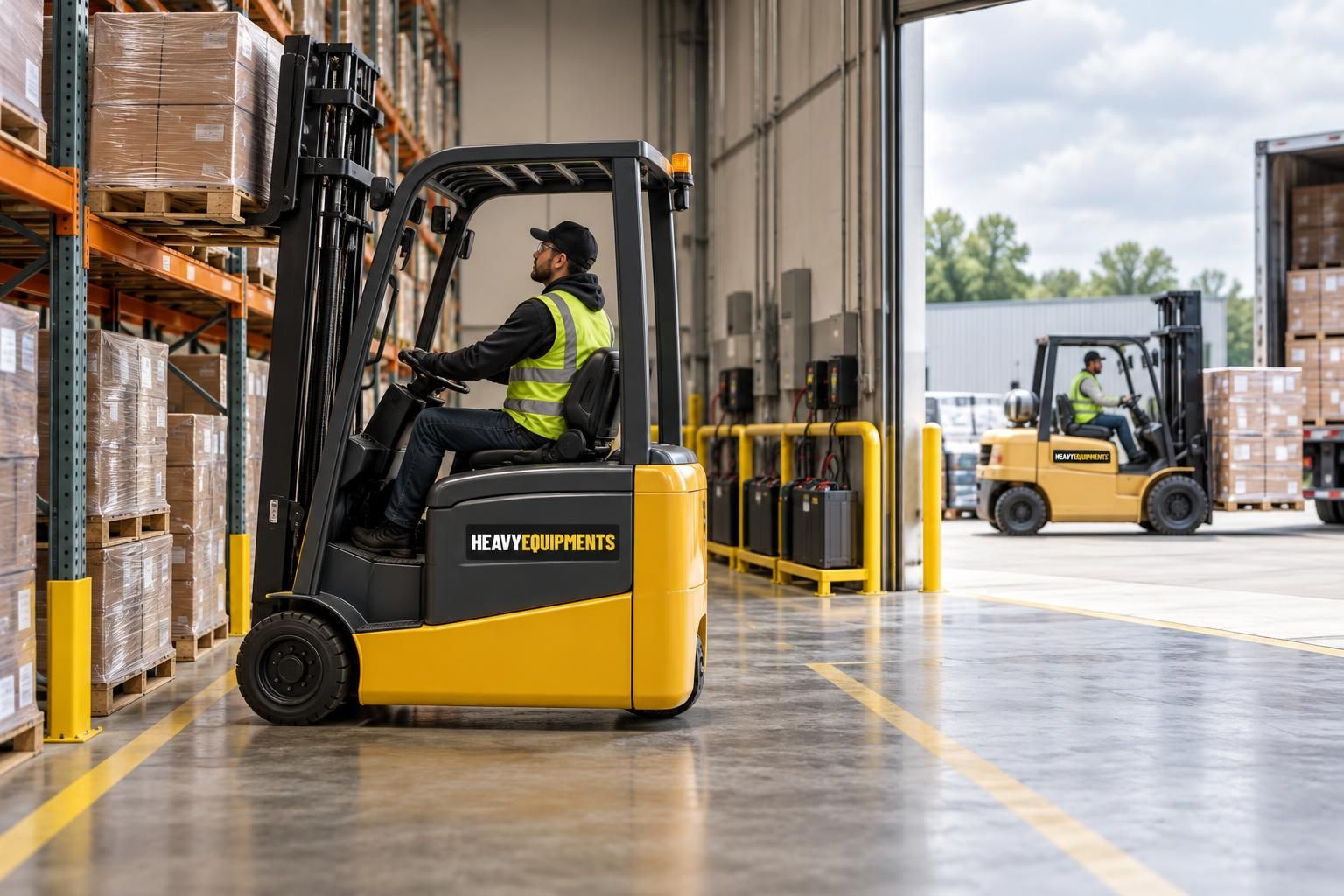
- Electric forklifts in Class 1 are quiet and produce zero tailpipe emissions, which suits indoor storage. The Toyota 8FBMT30 runs Electric (80 V) power. Plan for battery charging and changeout space, and match charger specs and shift patterns to your throughput. If you are evaluating battery chemistries, weigh priorities like fast opportunity charging, maintenance routines, and ambient temperature performance.
- Internal combustion forklifts in Classes 4 to 5 offer quick refueling and consistent performance across long shifts. The Linde H25 is Diesel. Consider ventilation, fuel storage, and whether your work includes yard runs where pneumatic tires and longer travel pay off.
When mixing power types, keep traffic lanes and staging consistent. Electric trucks excel at precise rack work, internal combustion can handle dock congestion and outdoor turns without charging logistics.
Operator experience stand up and sit down
Operator fit is a productivity lever. A stand up forklift can save time in short shuttle and dock work with frequent on and off. A sit down forklift supports longer hauls across larger sites. Visibility over the carriage, mast window design, and control layout all influence confidence at height. If you are pushing high picks or working in dense traffic, favor trucks that offer smooth inching and predictable braking feel, whether electric or diesel.
Quick comparison two warehouse ready forklifts
Use the table to see how two common warehouse capable models stack up. Note the differences in power source, standard lift height, and turning radius. You can line up more models in our spec compare tool.
| Model | Rated capacity | Load center | Standard lift height | Power | Mast type | Turning radius |
|---|---|---|---|---|---|---|
| Toyota 8FBMT30 | 3,000 kg (6,614 lb) | 500 mm (19.7 in) | 3,000 mm (118.1 in) | Electric (80 V) | Duplex / Triplex | 2,200 mm (86.6 in) |
| Linde H25 | 2,500 kg (5,512 lb) | 500 mm (19.7 in) | 3,150 mm (124.0 in) | Diesel | Duplex / Triplex | N/A |
How to make the short list
- Map loads and racks. Record heaviest and longest pallets, top beam height, and typical attachments. Use the rating at the stated load center to protect capacity at height.
- Lay out aisles from the truck back. Use each forklift right angle stack and turning dimensions to set aisles. For reference, the Toyota 8FBMT30 turning radius is 2,200 mm (86.6 in). Confirm comparable data for any alternative you are considering.
- Choose power by duty cycle. Favor electric for indoor density and predictable handling, choose diesel or other internal combustion for mixed yard or warehouse runs and rapid refueling.
- Match mast to clearance. Duplex or triplex and standard lift heights must clear your top shelf and building systems with margin.
- Validate attachments. Side shifters, fork positioners, or other specialty forks change your capacity plate, so spec them early.
Next steps for buyers
To dial in your warehouse forklift, browse model data in our specs library, put contenders side by side in Compare, and check real availability on for sale and rentals. If you are outfitting or refreshing existing units, source parts and attachments to match your capacity plate and rack plan.