Forklift Rental Guide to Types, Capacity, Mast Height, and Cost
A plain English forklift rental guide for contractors and warehouse teams. Learn types, how to match capacity and mast height to your loads, and what really drives total rental cost.
Renting the right forklift keeps projects moving, racking undamaged, and crews safe. This guide cuts through the jargon so you can pick the correct type, capacity, and mast height, and understand what really drives total forklift rental cost. When you’re ready, browse available machines on our rentals marketplace and use our specs database to confirm details.
Forklift types and where they shine
Start by matching the forklift type to your environment and tasks. Here’s how common classes line up:
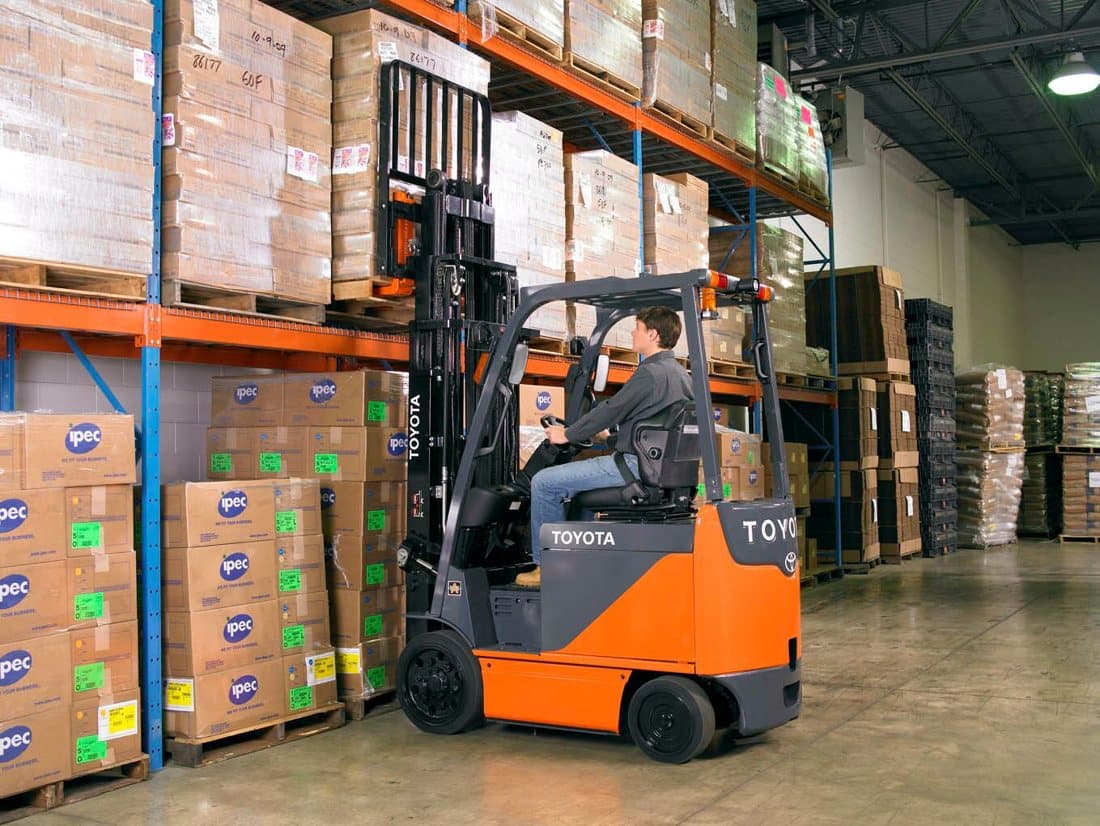
- Warehouse forklifts (sit down) handle docks, staging, and general indoor material handling. Comfortable for longer shifts and mixed pallet work.
- Stand up forklifts work well in tighter aisles with frequent on and off. Great for fast paced loading and unloading where visibility and agility matter.
- Reach forklifts suit narrow aisles and deep racking. Stabilizers and a pantograph or moving mast help operators place pallets at high elevations with precision.
- Order pickers elevate the operator to pick cartons or eaches directly from racks. Common in e‑commerce and distribution.
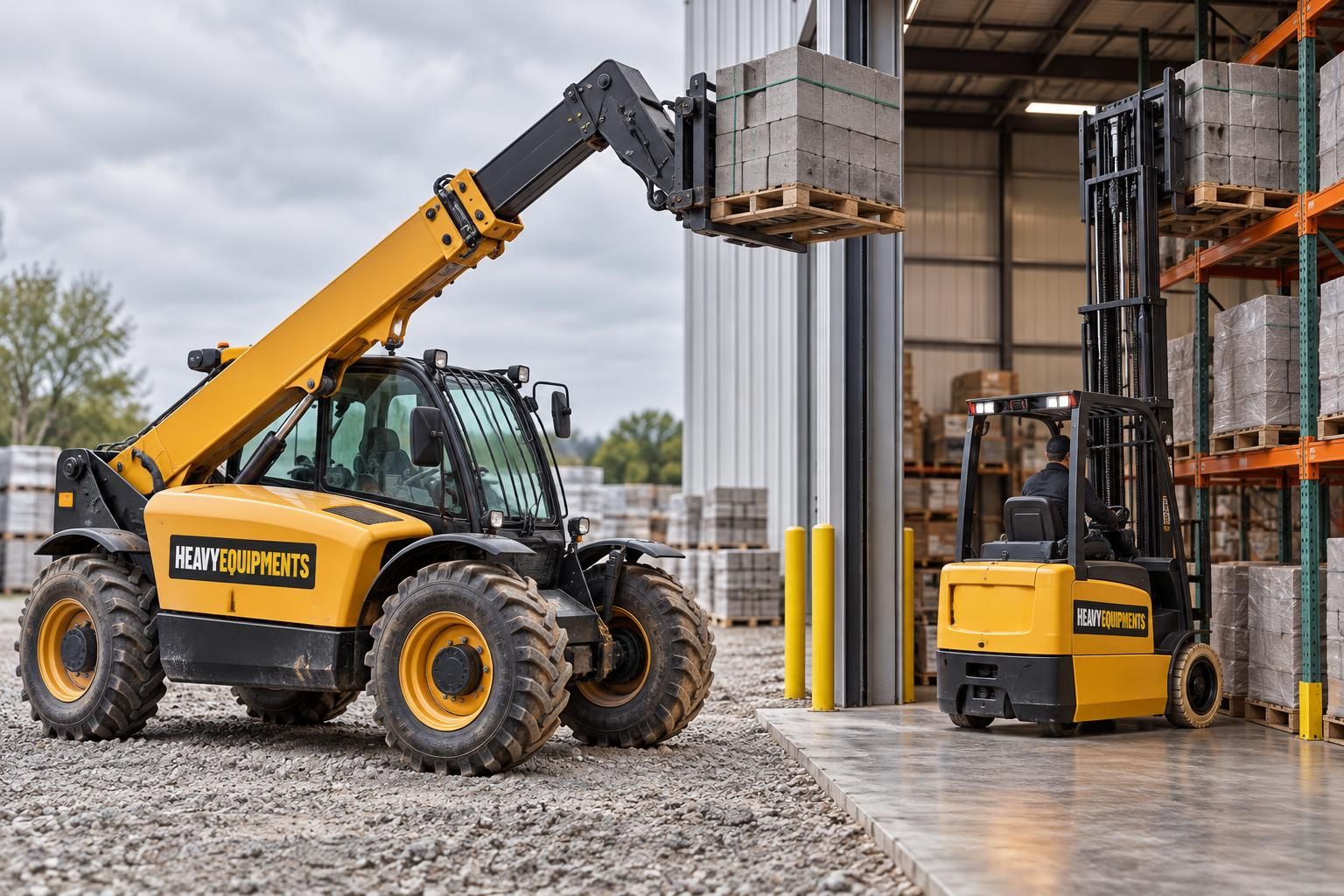
- Rough terrain forklifts handle uneven yards and jobsites. Pneumatic tires and higher ground clearance improve stability outdoors.
- Electric forklifts are popular indoors for low noise and zero point of use emissions. Battery and charging access are key planning points.
If your project spans both paved yards and interiors, you may need two units (e.g., a rough terrain unit outside and a warehouse unit inside) or a single machine with the right tires and ventilation considerations.
Key specs to nail before you book
Get these right and your forklift rental will do the job safely and efficiently:
- Capacity at the rated load center matters. For example, the Toyota 8FBMT30 is rated at 3,000 kg at a 500 mm load center, and the Linde H25 at 2,500 kg at 500 mm. If your load is longer or you use certain attachments, effective capacity decreases, spec the margin you need.
- Lift height and mast type should match your top rack beam or lift target. The Toyota’s standard lift height is 3,000 mm and the Linde’s is 3,150 mm. Both offer Duplex/Triplex mast options, so you can balance lift height against collapsed mast height and visibility.
- Turning and aisle space need verification. Check aisle width against the truck’s turning radius and your load length. The Toyota’s turning radius is 2,200 mm; plan clearances for safe spin and approach.
- Power source and runtime planning is essential. Electric is excellent indoors; plan battery charging or swaps. Diesel or other internal‑combustion units suit outdoor work and higher duty cycles, with fuel logistics instead of charging.
- Floor and terrain drive tire and chassis choice. Smooth concrete favors cushion tires and warehouse units. Yards and construction sites call for pneumatic tires or rough‑terrain models.
- Attachments affect capacity and visibility. Side shift, fork positioners, carton or paper clamps, and specialty forks require upfront requests so derates are clear.
Electric or diesel power choice
Power choice impacts performance, logistics, and cost structure during rental:
- Electric battery units are quiet with no tailpipe emissions, favored indoors and around finished goods. The Toyota 8FBMT30 runs Electric (80 V). Plan for charger location, voltage compatibility, and breaks for charging or battery changes.
- Diesel internal combustion units excel outdoors with quick refueling and resilience in harsher conditions. The Linde H25 is Diesel. Use care with indoor ventilation policies and emissions constraints.
For many warehouses, an electric forklift reduces noise and improves air quality. For construction sites and yards, diesel’s fueling simplicity and durability can be decisive. If your work mixes both, ask your rental partner about tires, exhaust mitigation, and charging/fueling access.
Toyota 8FBMT30 and Linde H25 snapshot
Both are counterbalanced sit down units that commonly appear in forklift rentals. Here’s a quick comparison using verified specs:
| Spec | Toyota 8FBMT30 | Linde H25 |
|---|---|---|
| Capacity | 3,000 kg | 2,500 kg |
| Load center | 500 mm | 500 mm |
| Standard lift height | 3,000 mm | 3,150 mm |
| Power | Electric (80 V) | Diesel |
| Mast type | Duplex / Triplex options | Duplex / Triplex options |
| Turning radius | 2,200 mm | , |
How to choose between them:
- If you need indoor, low emission work with a higher capacity rating, the Toyota’s 3,000 kg capacity and electric power are a strong fit.
- If you’re outdoors on mixed terrain or prefer diesel fueling logistics, the Linde’s 2,500 kg capacity and Diesel power make sense.
- Match mast choice (Duplex vs Triplex) to your lift height target and ceiling constraints.
Forklift rental cost factors that matter
Rates vary by region, demand, class, and term, so exact numbers here wouldn’t help. Instead, use this framework to evaluate quotes and avoid surprises:
- Class and capacity affect price. Higher capacities and specialized types (e.g., reach forklift, order picker forklift, rough terrain forklift) typically price differently than standard warehouse units.
- Power type must be clear in quotes. Electric forklift quotes should state whether a battery and charger are included, charger compatibility, and any battery maintenance expectations. IC units should address fuel sourcing and return conditions.
- Mast and attachments can change both pricing and capacity. Triplex masts and add ons like side shift or fork positioners need documented derates.
- Term length shapes the effective rate. Daily, weekly, and monthly structures differ. Longer terms usually yield better effective rates, but confirm minimums and overage rules.
- Delivery and pickup should be quoted door to door, with site access notes (dock, ramp, gate hours).
- Damage waiver or insurance terms matter. Understand coverage, deductibles, and what counts as wear vs damage (e.g., forks, tires, batteries).
- Fuel and charging responsibilities need clarity. Who pays for fuel or electricity? Are chargers supplied? Any return full or charging requirements?
- Uptime support expectations belong in writing. Clarify maintenance response times and what’s considered consumable vs covered repair.
To compare apples‑to‑apples, request an all‑in written quote listing machine model, capacity at load center, mast type and lift height, attachments, freight, taxes/fees, and protection plan. If a “great rate” lacks freight, battery/charger, or attachments you need, your total can jump on delivery day.
How to spec and request a quote
Send these details to speed up accurate quotes for forklift rentals or to find a forklift rental near me:
- Load weights and dimensions; center of gravity if known.
- Target lift height (top beam or unload height) and any overhead door or sprinkler clearance.
- Aisle width and turning constraints; ramps or grades on the path.
- Floor/ground conditions (smooth concrete, asphalt, gravel, outdoors).
- Preferred type (warehouse forklift, stand up forklift, reach forklift, order picker forklift, rough terrain forklift).
- Power preference and site readiness (fueling, battery charging location and voltage).
- Attachments required (side‑shift, fork positioner, clamps) and fork length.
- Work schedule (single vs. multi‑shift) and expected duty cycle.
- Delivery address, site contact, gate hours, and offload method.
- Rental start/end dates and flexibility window.
- Insurance or damage waiver requirements.
Line up a unit by browsing available inventory on rentals, then use our spec pages to confirm fit before you book.
Practical tips to avoid delays and overages
- Pick the mast for the tallest repeat lift you’ll make. Do not size to a one time exception if another method fits that outlier.
- Confirm charger plug and voltage for electric rentals before delivery day.
- Reserve attachments with the truck so capacity derates and forks match your load.
- Walk the path from dock to rack and remove pinch points ahead of time.
- Train or verify operator certification and schedule a brief site‑specific orientation at drop‑off.
Next steps for renting forklifts
- Compare verified specs side by side using our tool: specs compare.
- Research models and mast options in our database: equipment specs.
- Find a forklift rental near you: browse forklift rentals.
- For forks, clamps, or sideshifts, check attachments.
- If you are running a longer project and considering a purchase, see what’s available for sale. For upkeep, browse parts.